
Finger food in Healthcare: Supporting Nutrition, Dignity and Independence in Dementia and Paediatric Care
 "Finger food in Healthcare: Supporting Nutrition, Dignity and Independence in Dementia and Paediatric Care")
Mealtimes in healthcare settings are about far more than calories. For people living with dementia and for children in paediatric care, eating is tied to dignity, independence, and wellbeing and getting nutrition right in these populations matters enormously.
Finger foods are one of the most effective and underutilised tools available to care teams. Simple in concept, but significant in impact.
Why Finger Foods Work
Despite being very different patient groups, people living with dementia and young children share a surprisingly similar nutritional challenge: both may struggle with attention, coordination, or fatigue at mealtimes - and both benefit from food they can self-manage.
For people living with dementia, progressive cognitive decline can make using cutlery, following a structured meal, or sitting for long periods increasingly difficult. The result is often reduced intake, unintentional weight loss, and greater reliance on staff assistance. Finger foods address this directly, supporting self-feeding into later stages of the condition, reducing mealtime frustration, and enabling a more flexible, grazing-style approach that suits fluctuating appetites. Perhaps most importantly, they help preserve dignity by allowing individuals to remain independent at the table for longer.
For children, finger foods align naturally with how they explore and engage with food. They support the development of fine motor skills, encourage autonomy, and make mealtimes less pressured for both children and caregivers. For toddlers and young school-aged children in particular, self-directed eating is often more successful than structured plated meals in achieving consistent intake during critical growth periods.
The Nutrition Quality Challenge
There is a real tension in care environments between convenience and nutritional quality and finger foods that are easy to serve but low in nutritional value simply do not meet clinical needs. The goal is foods that are energy-dense, protein-rich, appropriate in texture, and genuinely appealing. In aged care, this supports muscle mass and prevents weight loss. In paediatrics, it underpins healthy growth and development.
Helen's European Cuisine: Finger Foods Designed for Care
For care teams looking to put this into practice, Helen's European Cuisine offers a range of products designed to be portioned into bite-sized pieces combining operational convenience with genuine nutritional substance:
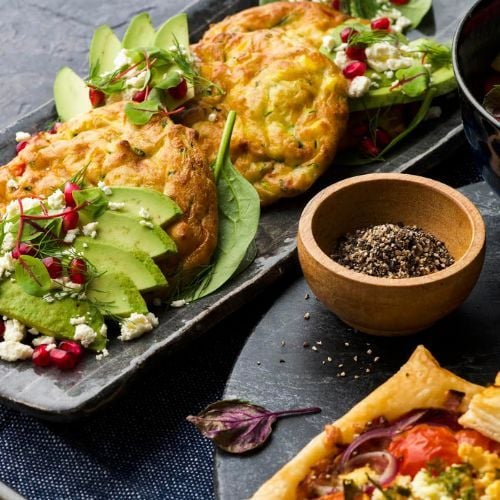
Corn & Zucchini Fritters: Soft, vegetable-forward, and easy to handle; ideal for individuals who benefit from gentler textures.
Roast Pumpkin & Ricotta Gourmet Rolls: Cut into bite-sized rolls for easy eating, each roll contains one serve of veggies.
Savoury Muffins (Pumpkin & Bacon and Baby Spinach & Fetta): Protein-dense and easy to handle, these are well suited to grazing-style service and frequent small eating occasions throughout the day.
Quiches (Quiche Lorraine with Streaky Bacon and Individual Spinach & Fetta): Egg- and protein-rich, providing sustained energy in familiar flavours that work well across both aged care and paediatric settings.
Our Catering-style Finger food Range (Mini Spinach & Fetta Pastries, Mini Butter Chicken Tartlets & Mini Caramelised Onion & Camembert Tarts): Bite sized, ready to heat & serve available in a variety of flavours.
Finger food done well is not a shortcut it is a considered clinical strategy. With the right products, care teams can support intake, preserve independence, and make mealtimes a more positive experience for the people in their care.
Ultimately, shifting the perspective on mealtimes from a clinical obligation to an opportunity for empowerment can profoundly impact patient wellbeing. Whether it’s helping a resident living with dementia maintain their autonomy at the table or encouraging a child in paediatric care to confidently explore their food, finger foods bridge the gap between nutritional necessity and compassionate care.
By prioritising high-quality, nutrient-dense, and easy-to-manage options - like the thoughtfully crafted selections from Helen’s European Cuisine - healthcare providers do not have to choose between operational convenience and clinical outcomes. Embracing a well-planned finger food strategy is a simple yet powerful way to champion dignity, support independence, and ensure that every bite counts toward a healthier, happier life.
| Tags:Dietitian |